

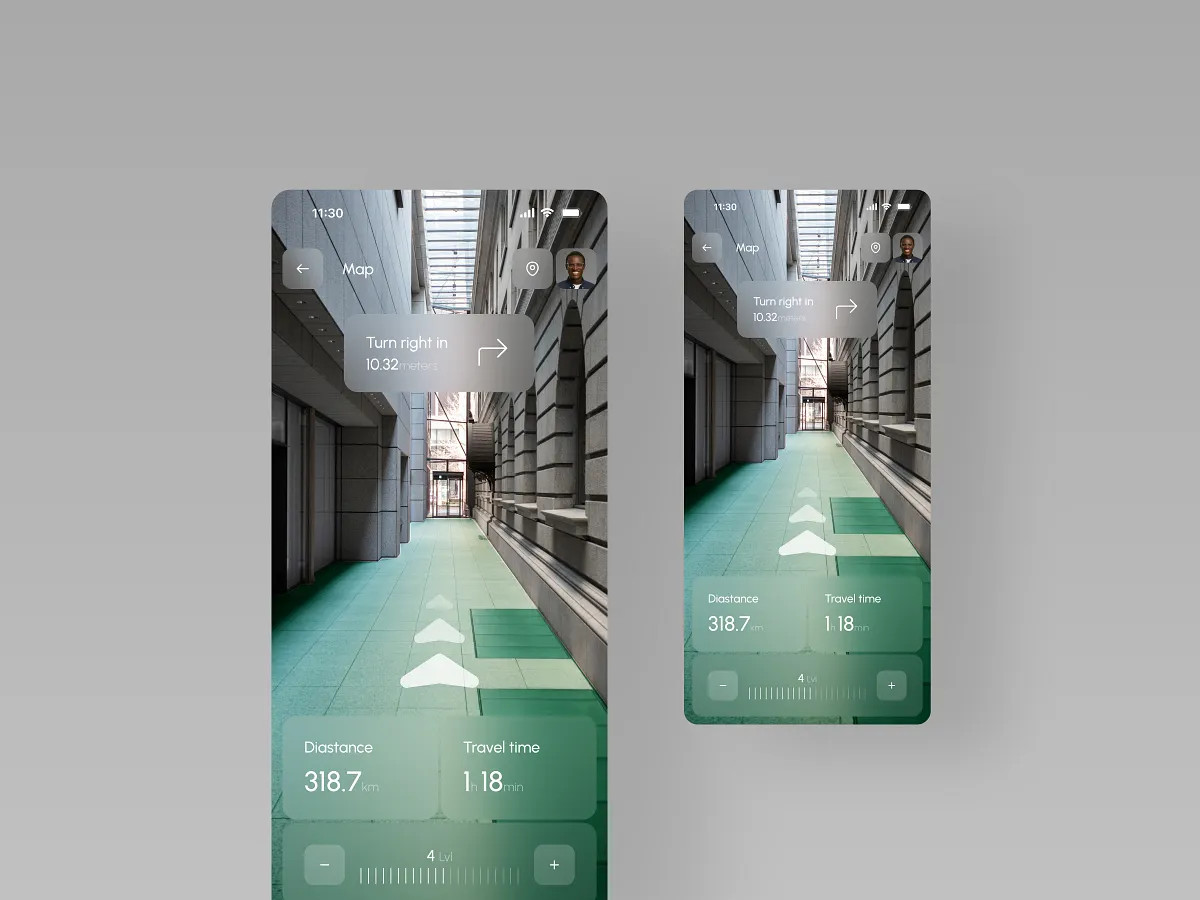

Rules exist to be broken. We at RDL...
👀 384 views
❤️ 73 likes
UX Design for Industrial
Designing intuitive controls for industrial systems is more than just a trend but a necessity in today's fast-paced world. The demand for efficient and effective user experience (UX) solutions in industrial automation is growing. As professionals in product development, you understand the importance of creating systems that are not only functional but also user-friendly.
In this article, we'll explore the principles of industrial design solutions and how you can implement user experience solutions to make your systems more intuitive.

Marketing Strategist
By the end of this read, you'll be equipped with actionable insights to guide your development process.

UX Architect

Industrial systems are becoming increasingly complex, making the need for intuitive design more critical. Intuitive design enhances usability, reduces errors, and increases productivity. When users can easily navigate a system, they can complete tasks more efficiently, leading to better performance and fewer mistakes.
Industrial design has evolved significantly over the years. Initially, the focus was primarily on functionality. However, as technology advanced, the emphasis shifted towards incorporating user experience solutions. This shift recognized that user-centric design is crucial in meeting the needs of modern industrial environments.
User experience solutions in industrial automation are about creating systems that users find easy to understand and operate. By implementing UX solutions, you ensure that your system meets user needs, ultimately leading to increased satisfaction and efficiency.

CX Designer
By implementing UX solutions, you ensure that your system meets user needs, ultimately leading to increased satisfaction and efficiency.

UX/UI Designer

To design intuitive controls, consider the following principles:
Think of a user
Start by understanding the needs and behaviors of your users. User-centered design involves creating systems with the user in mind, ensuring that every aspect of the system is tailored to their needs. Engage with your users to gather feedback and insights, which will inform your design process.
Simplicity is key
Keep designs simple and clear. Users should be able to understand and use your system without extensive training. Avoid clutter and focus on essential features. Clear labeling and straightforward navigation are key to achieving this.
Remain consistent
Consistency in design helps users predict how the system will behave, reducing the learning curve. Use consistent icons, colors, and layouts across your system to create a familiar environment for users.
Stay on top of everything
Provide users with immediate feedback. Whether it's a confirmation message or an error notification, users need to know that their actions have been registered. Responsive systems that provide real-time feedback enhance user confidence and satisfaction.

Integrating UX solutions into industrial automation involves several steps:

CCO
Understand your users and their workflows.
Conduct interviews, surveys, and observations to gather data on user needs and pain points. This research forms the foundation of your design strategy.
Create prototypes of your system and test them with real users.
This step allows you to identify potential issues and gather user feedback before finalizing your design. Iterative testing helps refine your system, ensuring it meets user needs.
Successful design solutions require collaboration between different teams.
Encourage communication between designers, engineers, and product managers to ensure that all aspects of the system are aligned with user needs.
Consider the example of a manufacturing company that implemented UX solutions to redesign its control systems. Initially, their systems were complex and difficult to navigate, leading to frequent user errors and downtime. By focusing on user-centered design, simplifying interfaces, and conducting thorough user testing, they significantly improved system usability. This resulted in increased productivity and reduced errors, ultimately enhancing their overall efficiency.
Looking ahead, the integration of advanced technologies such as artificial intelligence and machine learning will continue to shape industrial UX design. These technologies can provide more personalized user experiences and predictive insights, further enhancing system usability.
Adaptive interfaces that adjust based on user behavior and preferences are becoming more prevalent. These interfaces can provide a more tailored experience, increasing efficiency and user satisfaction.
Sustainable design practices are gaining traction in industrial design. By focusing on eco-friendly materials and energy-efficient systems, companies can reduce their environmental impact while enhancing user experience.

At RDL, we recognize that industrial automation is the new frontier for world-class UX/UI design. For too long, industrial systems prioritized function over the human operating them, leading to errors, downtime, and inefficiency, being the exact issues you are aiming to solve.

COO
Our specialization is in translating complex data and machine logic into intuitive controls that reduce cognitive load and boost operator efficiency.

UX/UI Designer
Contextual Simplicity
The principle of Keep Designs Simple and Clear is critical in industrial environments. We conduct thorough workflow analysis to ensure the interface only displays essential information at any given moment. We strategically use visual hierarchy and decluttering techniques to guide the user's eye to warnings and crucial controls, eliminating the noise that leads to error.
Consistency as a Safety Feature
We build Design Systems that dictate uniform behaviors for every button, gauge, and notification. This standardization drastically reduces the operator's learning curve and minimizes the risk of mistakes, ensuring that an alert looks and acts the same across every machine and interface.
Future-Proofing through Adaptive Design
We look ahead to the integration of advanced technologies. Our UX solutions are built with adaptive interfaces in mind, meaning the system can adjust its display based on the operator's current role, task, or even environmental conditions. This tailored experience guarantees maximum efficiency and user satisfaction.

Designing intuitive controls for industrial systems is essential in today's competitive market. By focusing on user-centered design, simplicity, consistency, and feedback, you can create systems that meet user needs and enhance productivity. Implementing UX solutions requires collaboration and a commitment to understanding your users.
Our commitment to user-centered design ensures that the systems we build not only function flawlessly but are genuinely intuitive, leading directly to increased productivity and significantly reduced downtime for your operations.

UX/UI Designer
By choosing us for your industrial design, you'll not only improve your systems but also contribute to a more efficient and user-friendly industrial landscape.

Team Lead
Shall we chat?
[email protected]Let’s

talk


