


Avoid costly mistakes by investing in proper graphic...
👀 2546 views
❤️ 451 likes
Too Long;
Didn't Read
An effective SaaS website has one job: turn a visitor who may not know they have a problem into a customer who trusts you within seconds. The essential elements that make that happen:
Get these right and the site does the selling for you, lowering customer acquisition cost with every visit.
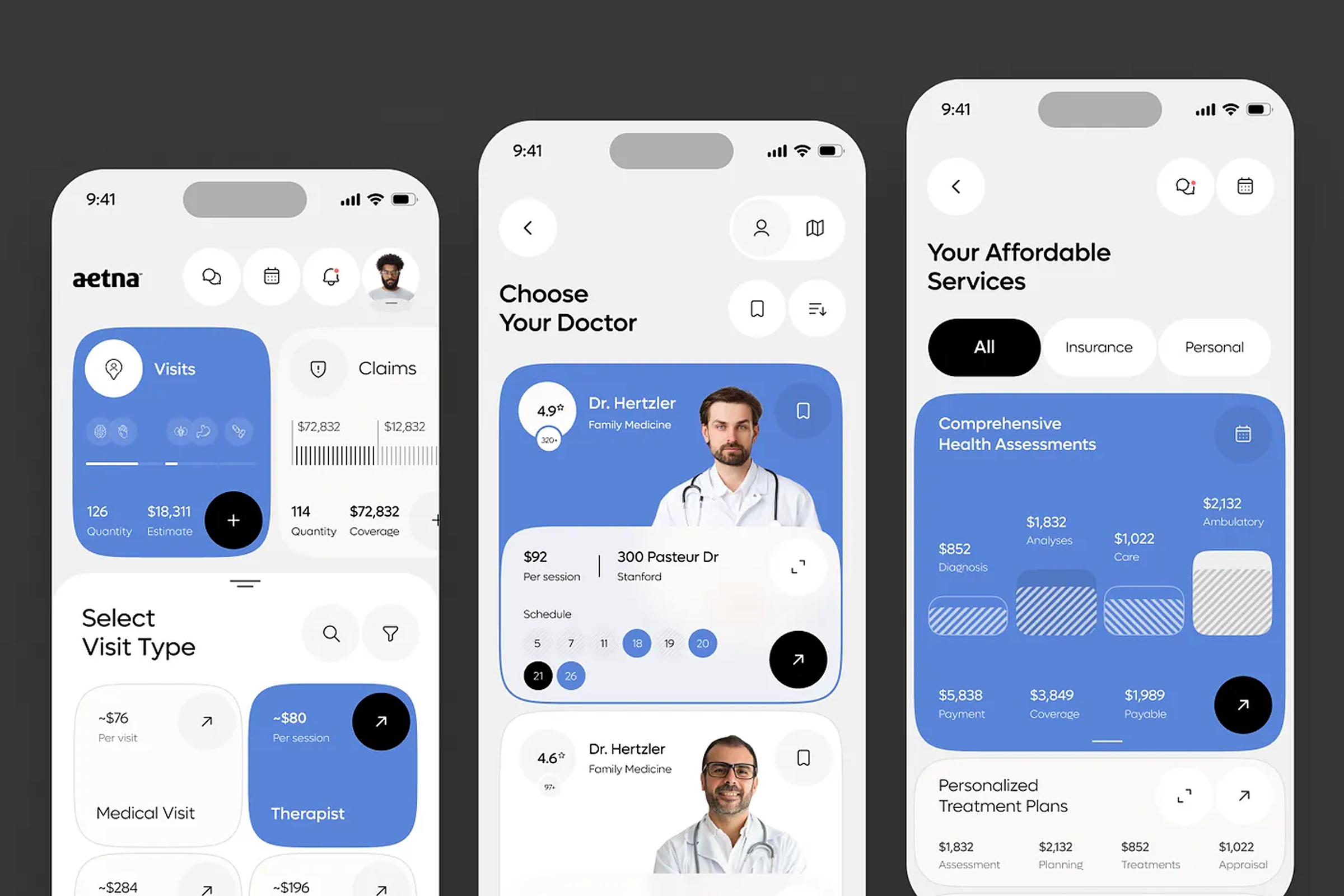
Effective SaaS Websites
In this new world, your website is no longer just a digital storefront where people stop to look at a product. Instead, it acts as the customer lifecycle engine, from the first time someone hears your name to the strong connection.
An effective SaaS site works like a high-performance funnel that never stops moving. It has to handle several massive tasks at the same time without slowing down. First, it must educate visitors who might not even realize they have a problem yet.
Next, it has to build immediate trust by showing "social proof," such as logos of famous clients or glowing reviews from real users. Most importantly, it has to demonstrate exactly how your product provides value within just a few seconds. If a visitor cannot see how you will make their life easier almost instantly, they will likely leave and never come back.
For product managers and business owners, mastering these design essentials is a core requirement for survival. High-quality design is the foundation you need to reduce customer acquisition costs. When a website is easy, you spend less money on sales calls and support tickets because the site does the heavy lifting for you. It guides the user through a logical journey, answering their questions before they even ask them.
Focusing on a user-centric experience means every button, image, and paragraph serves a clear purpose. You are building a path that leads the user from curiosity to a deep connection with your brand. By prioritizing performance and clarity, you create a frictionless environment where users feel comfortable and confident. This approach turns your site into a powerful tool that drives steady business growth and keeps your customers coming back year after year.
The design of a SaaS website must strike a balance between aesthetic appeal and functionality.

COO

A successful SaaS website seamlessly integrates UI/UX design principles to create an intuitive and efficient user journey.
An effective SaaS homepage design employs clean aesthetics, strategic use of white space and a clear CTA.
Your SaaS homepage is the first point of contact with potential users. It should clearly communicate your value proposition, offering a compelling reason for visitors to explore further.

UX Architect
Real-life examples
Slack’s homepage serves as a premier example of how to execute a "benefit-first" design strategy. By prioritizing what the user gains over how the software works, the page answers the visitor's most important question
"How does this make my life easier?"
This approach uses high-impact, concise headlines that address common workplace frustrations, such as fragmented communication and cluttered inboxes. Instead of a long list of technical specifications, the design uses white space and clear typography to breathe.
The strategy relies on capturing attention within the first few seconds and then providing an effortless path forward. A prominent, inviting call to action (CTA) acts as a low-friction entry point, removing any doubt about the next step.
By simplifying the decision-making process, Slack reduces the cognitive load on the user. This layout proves that a successful SaaS homepage does not need to explain everything at once. It only needs to build enough interest and trust to guide the user deeper into the product ecosystem.
The best SaaS website designs use visuals strategically to convey complex information succinctly and engagingly.

CIO

1 - Speed
If your site doesn't load instantly, potential customers will likely leave before they even see what you offer. To keep users engaged, you must use performance techniques like compressing images, caching data, and simplifying code. These small technical shifts create a frictionless experience that turns visitors into active users from their very first click.
2 - Intuitive Navigation
A great SaaS website puts intuitive navigation first. The site’s structure should be logical so users can find what they need without any effort. By using a well-organized menu and a clear search bar, you make the site easy to use.
3 - Visual Aspect
Visual design plays a crucial role in establishing brand identity and trust. Consistent branding across the site, including typography, color schemes and imagery, reinforces brand recognition. The best SaaS websites use visuals strategically to convey complex information succinctly and engagingly.
Mobile-first design is no longer just a "nice to have" - it is a strict requirement for any modern SaaS company. Since more people now browse the web on their phones than on computers, your website must work perfectly on every screen size.
Mobile-first approach ensures that your site stays fast and easy to use, which keeps your visitors happy and engaged. It also tells search engines like Google that your site is high-quality, which helps you rank much higher in search results.

Landing pages are crucial for conversions in SaaS marketing. They should be designed with a specific audience and goal in mind, whether it's lead generation or product promotion. Effective SaaS landing pages feature compelling headlines, persuasive copy and strategically placed CTAs.
Real-life examples
Intercom, a leader in customer messaging platforms, exemplifies best practices in SaaS landing page responsive design. Their landing pages are tailored to different user segments, featuring personalized messaging and clear CTAs. This targeted approach has significantly improved their conversion rates.Intercom, a leader in customer messaging platforms, exemplifies best practices in SaaS landing page responsive design. Their landing pages are tailored to different user segments, featuring personalized messaging and clear CTAs. This targeted approach has significantly improved their conversion rates.

1 - Content
Content is the backbone of any SaaS site. It must be engaging, informative and aligned with user needs. High-quality content, including blogs, case studies and testimonials, builds trust and positions your brand as an industry authority. Additionally, incorporating video content can enhance engagement and convey complex information effectively.
2 - Social Proof
Social proof is a powerful tool in SaaS marketing websites. Displaying testimonials, case studies and user reviews can significantly influence potential customers’ decisions. Highlighting success stories and endorsements from well-known clients adds credibility and reinforces trust.
3 - User Interface Design
UI design is instrumental in shaping user interactions with your SaaS product. A well-designed user interface enhances usability, ensuring that users can accomplish their tasks efficiently. It involves thoughtful placement of elements, consistent design patterns and intuitive feedback mechanisms.

Real-life examples
HubSpot sets the gold standard for personalized user experiences by treating every visitor like a unique individual. Instead of showing the same message to everyone, they use smart data to serve matching content and product recommendations.
This tailored approach makes the platform feel intuitive and helpful, which significantly boosts long-term retention. By focusing on these individual needs, HubSpot transforms a standard software interaction into a high-value, personal relationship.
1 - Consistency
Consistency in UI elements across your SaaS platform is crucial for a unified user experience. Consistent design patterns, buttons and interactions reduce the learning curve for users and enhance overall satisfaction. Cohesion ensures that users feel at home, regardless of where they are in the application.
2 - Personalization
Personalization has become a crucial requirement in SaaS web design rather than a simple luxury. When you tailor the user experience to match individual behaviors, you transform a generic platform into a special app.
Features like personalized dashboards, smart content recommendations, and dynamic CTAs ensure that every interaction stays relevant. This high level of relevance improves the look of the site while boosting engagement and building a stronger user bond.
At RDL, we understand that a B2B SaaS website design is the core of your business.
COO

It's not just a digital brochure; it's a powerful engine for user acquisition, conversion and retention. We are specialists in designing and developing SaaS websites that seamlessly integrate essential elements to deliver exceptional user experiences.
Our team builds high-impact SaaS homepages that immediately highlight your value and use clear calls to action.
Through expert UI/UX design, we create a logical structure and intuitive navigation that guides users. We also emphasize a powerful visual style and consistent branding. This strategic approach ensures that every design element works together to turn casual visitors into loyal customers.
We build SaaS websites with performance optimization, ensuring fast loading times to reduce bounce rates and enhance user satisfaction.
UX Architect
Our team builds products with a mobile-first mindset to ensure your website works well on any screen. This responsive approach is vital because modern users expect a smooth transition as they move from their laptops to their phones. When a site feels natural and easy to use on every device, people stay longer and interact more with your brand. We focus on these small details to make sure your message never gets lost due to a technical glitch or a clunky mobile layout.
Beyond just looking good, we craft landing pages specifically designed to turn visitors into customers. We combine best UI design with smart content strategies and social proof, like testimonials and case studies, to build trust. By using consistent design patterns, we create a unified experience that feels familiar and professional. This consistency helps users navigate your site without having to relearn how things work.
To keep your audience coming back, we also implement personalization. By tailoring the journey to fit individual needs, we make the software feel like it was built for each specific user. This high level of relevance is the key to driving long-term retention and growing your business. Every element we design serves a clear purpose: to make the user journey effortless and highly rewarding.

The design of your SaaS website is a critical factor in its success. It’s not just about aesthetics; it’s about creating an efficient, engaging and user-centric experience. By focusing on intuitive design, performance optimization and strategic content, you can craft a SaaS website that not only attracts visitors but also converts them into loyal users.
Remember, the best SaaS website designs are those that seamlessly integrate form and function, delivering value at every touchpoint. As you refine your SaaS website, consider these essential elements to enhance user engagement and drive business growth.

Avoid costly mistakes by investing in proper graphic...
👀 2546 views
❤️ 451 likes
Avoid common SMM design mistakes with our expert...
👀 2313 views
❤️ 175 likes
Each business must implement a system for risk...
👀 1542 views
❤️ 118 likes
Explore the debate of trending vs timeless design....
👀 3112 views
❤️ 147 likes
Shall we chat?
[email protected]Let’s

talk


