


Most successful website design is complex. Read to...
👀 5827 views
❤️ 933 likes
Too Long;
Didn't Read
Trending and timeless design pull in opposite directions, and the smart choice is rarely all one or the other. The trade-off in short:
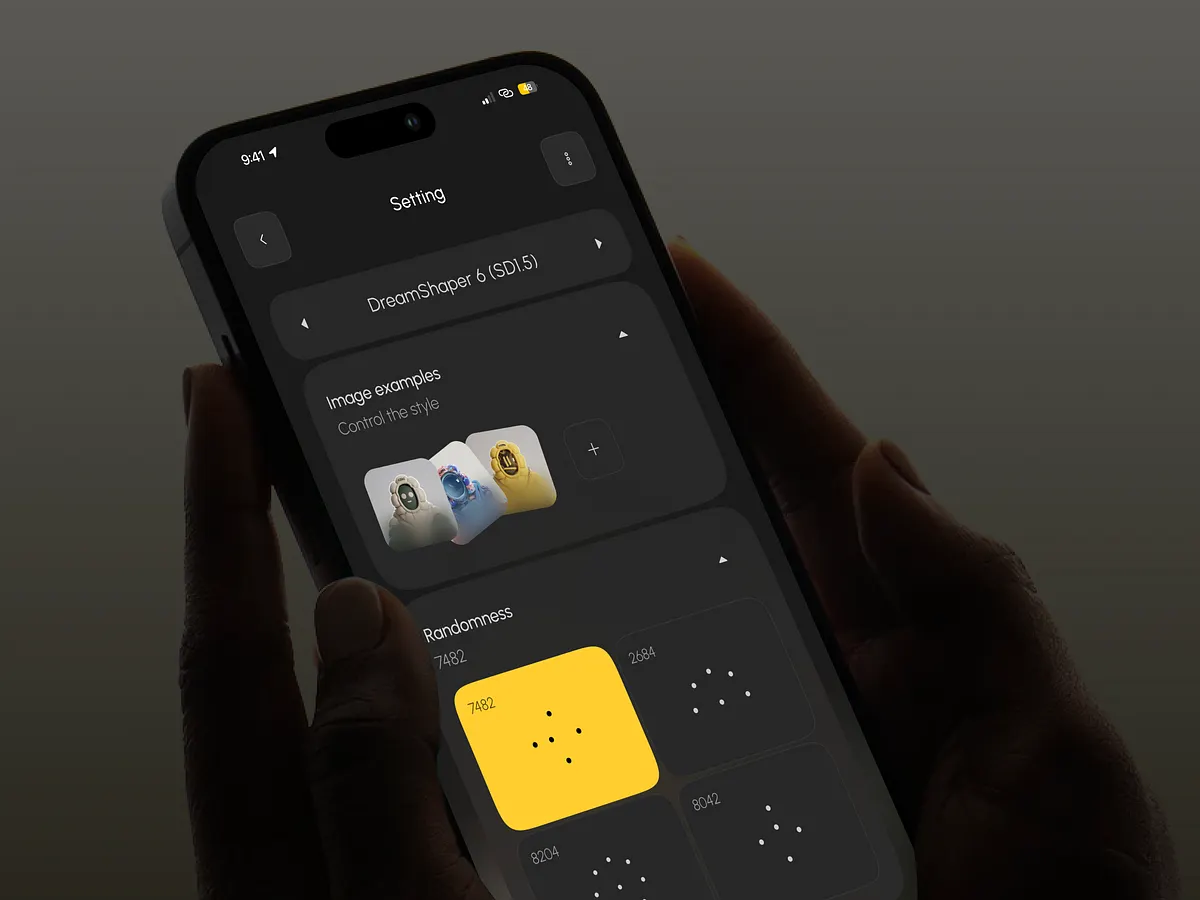
In the ever-evolving world of design, the debate between trending and timeless design continues to captivate the imagination of designers, product managers, and startup founders alike. The allure of what's trendy vs timeless often clashes with the classic and enduring appeal of timeless design. Understanding the balance between modern vs classic can be pivotal in developing products that resonate with consumers both now and in the future. Recent examples are easy to spot: glassmorphism brought frosted-glass panels and blur, skeuomorphism is resurfacing in soft, tactile controls, and minimalism has proven the most durable of the three. Each shows how quickly a look can define a moment and then date it.
Trending design refers to styles and elements that are popular at a particular moment. These designs capture the zeitgeist, reflecting current tastes, cultural shifts, and technological advancements.

COO
Whether it's the minimalist aesthetic that dominated the early 2010s or the resurgence of bold colors and retro vibes today, trends are ever-changing and often cyclical.

UX Architect
Relevance
Trending designs capture the attention of contemporary audiences. A current look signals that a product is active, maintained and in step with how people expect software to feel today, which lowers the hesitation a new user feels before signing up. The moment an interface looks a few years behind, users quietly assume the product behind it is behind too.
Engagement
Leveraging trends can boost engagement, because familiar patterns resonate with what people already see every day on social platforms and in the apps they love. When an interface echoes those cues, it feels intuitive on first use, and that early comfort is often what turns a trial into a habit. Momentum like this is hard to manufacture any other way.
Innovation
Trends push the boundaries of creativity and give teams permission to experiment with new interactions, motion and visual techniques. That experimentation is where genuine differentiation comes from, and the occasional breakout pattern can define a category rather than just decorate it. The upside is real, as long as the experiment serves the user and not just the portfolio.
Short Lifespan
What is trendy today can feel obsolete tomorrow. Styles like glassmorphism arrived fast and spread everywhere, which is exactly what makes them read as dated once the next look takes over. A design tied too tightly to one moment ages with that moment, and the cost of keeping up lands on your roadmap as rework that could have funded new features instead.
Market Saturation
As a trend catches on, the market fills with products that all look alike. When every competitor adopts the same gradients, cards and typefaces, the thing meant to make you look current is the same thing erasing your distinctiveness. Standing out then takes more effort than it would have if you had never chased the trend at all.
Risk of Inauthenticity
Jumping on a trend without grounding it in your brand’s values can feel hollow, and users notice. A playful, of-the-moment style grafted onto a product built for trust, such as a banking or healthcare tool, creates a mismatch that undermines confidence rather than building it. Trends borrowed rather than earned tend to alienate the long-term customers who matter most.

Timeless design stands the test of time. It transcends fleeting trends and stays relevant across generations by focusing on simplicity, functionality and quality rather than novelty. These are the same principles behind interfaces people have used comfortably for years without ever thinking about the design itself, which is the clearest sign it is working.
Longevity
Timeless designs resist the whims of fashion and hold their appeal for years. That durability means your investment keeps paying off long after launch, instead of depreciating the moment the next trend cycle begins. For a product you intend to grow, longevity in the interface is longevity in the business.
Brand Strength
A timeless design reinforces brand identity and builds trust and loyalty over time. When customers see a consistent, considered look across every release, they read it as a sign of a stable, dependable company. That accumulated recognition becomes an asset competitors cannot copy by adopting this season’s style.
Sustainability
Timeless design emphasizes quality and durability, which aligns naturally with sustainable practice. In digital products, that means fewer full redesigns, less wasted engineering effort and a codebase that does not need tearing out every time tastes shift. Building to last is both a design choice and an efficient one.

Initial Perception
Timeless designs may not grab the attention of users hunting for the newest look. Against a flashier competitor, a restrained interface can read as plain in the first few seconds, before its clarity has a chance to prove itself. The answer is not more decoration but sharper messaging, so the value is obvious even when the styling is quiet.
Innovation Constraints
A strict focus on timelessness can limit experimentation with new patterns and techniques. Taken too far, it risks leaving genuine improvements on the table simply because they feel unfamiliar. The goal is discipline, not rigidity, keeping the foundation stable while still allowing the surface to evolve.
Market Perception
Without effective marketing, a timeless product can be mistaken for a conservative or unremarkable one. The design doing its job quietly is no substitute for telling users why it matters. Pairing an enduring interface with clear, confident positioning is what keeps “timeless” from being read as “dull.”
The art of balancing trending and timeless design lies in understanding your target market and aligning design choices with your brand's core values.

UX/UI Designer
Continuously monitor emerging design trends while studying the timeless designs that have endured in your industry. Comparing the two shows you which current ideas have staying power and which are noise, so you can adopt the former and skip the latter. The aim is to borrow what will last, not everything that is loud right now.
Engage your customers directly to understand their preferences and how they perceive your product. Real feedback separates the trends your specific audience actually values from the ones designers are simply excited about. Decisions grounded in that insight balance modern appeal with enduring value far more reliably than taste alone.
Adopt an iterative process that lets you test and refine before committing. Rolling out a trendy element to a small group first shows whether it helps or distracts, so you can keep what works and drop what does not. This way you fold in fresh ideas without gambling the whole experience on them.

Make sure every design choice, trendy or timeless, aligns with your brand’s values and mission. That consistency is what ties a decade of releases into one coherent identity rather than a series of unrelated facelifts. When the values hold steady, you can refresh the surface freely without ever confusing the people who know you.
Favor high-quality execution in every detail, from typography and spacing to the components and assets you reuse. Polished craft elevates both trendy and timeless work, and it is often the difference users feel without being able to name it. Quality raises perceived value and extends how long a design stays credible before it needs attention.
Apple is a prime example of a company that balances trendy and timeless design masterfully. Its products carry cutting-edge technology and sleek, modern aesthetics, yet stay grounded in the simplicity and user-focused principles that have defined the brand for decades. New styling appears on the surface while the underlying logic barely changes, so each release feels current without ever feeling unfamiliar. That consistency is a large part of why the brand commands both loyalty and a premium.
At RDL, we understand that the choice between trending and timeless design is not a binary one; it's a strategic decision that determines a product's longevity and market success. Our expertise lies in creating an optimal synthesis. This approach ensures your product achieves immediate relevance without sacrificing long-term brand strength.

UX/UI Designer
We start every project by focusing on simplicity, functionality and clarity, the unbreakable pillars of timeless design. Our UI/UX solutions are built on universal cognitive principles, so the product stays intuitive no matter which visual fads come and go. This foundation is the part that is expensive to change later, which is exactly why we get it right first. With the core interaction built to endure, everything above it can evolve safely.
We don’t chase every passing trend. Instead, we carefully select the modern touches that fit, such as current typography, color gradients or interaction patterns, and apply them to the product’s surface layer. Because these live on top of a stable structure, a product can look fresh and innovative today and be refreshed tomorrow without a costly full-system overhaul. You get the appeal of the new without inheriting its short shelf life.

We treat design as a long-term investment in brand loyalty and sustainability. Clients from early startups to global leaders rely on us to create products that succeed at launch and stay dominant for years afterward. That means engineering for durability from the first screen, so the design keeps earning its keep instead of needing to be rebuilt. A strategic blend of the now and the forever is, in our experience, the most powerful path to market leadership.
In the debate between trending vs timeless design, there is no one-size-fits-all answer. The key is to understand the unique needs of your market and align your design strategy with your brand's long-term vision.

CX Designer
By striking a balance between the allure of the new and the reliability of the classic, you can develop products that captivate the imagination today and remain relevant tomorrow.

CCO
Shall we chat?
[email protected]Let’s

talk


